
Why Light is the Soul of Photography
Light isn’t just a part of photography—it is photography. After all, the word itself means “drawing with light.” Without it, you’d just have darkness.
Light vs. Subject: Which Matters More?
A great subject under bad light? Meh. A simple subject under breathtaking light? Magic. That’s why light trumps everything.
How Light Shapes Mood and Storytelling
Think of warm golden rays at sunset—they whisper romance. Now picture harsh fluorescent light—it screams coldness and sterility. That’s the storytelling power of light.
The Basics of Observing Light
Natural vs. Artificial Light
Sunlight, lamps, neon signs—light sources shape the vibe. Natural light feels organic, while artificial light often creates controlled moods.
Hard Light vs. Soft Light
A sunny noon casts hard shadows, while an overcast sky wraps your subject in soft light. Learning the difference helps you decide how you want your photos to feel.
Direction of Light (Front, Side, Back)
Front light shows everything clearly, side light adds depth and texture, and backlight creates drama and silhouettes.
How to Train Your Eye to Spot Light
This isn’t about buying gear—it’s about awareness.
Practice Daily Observation
Watch Sunlight Throughout the Day
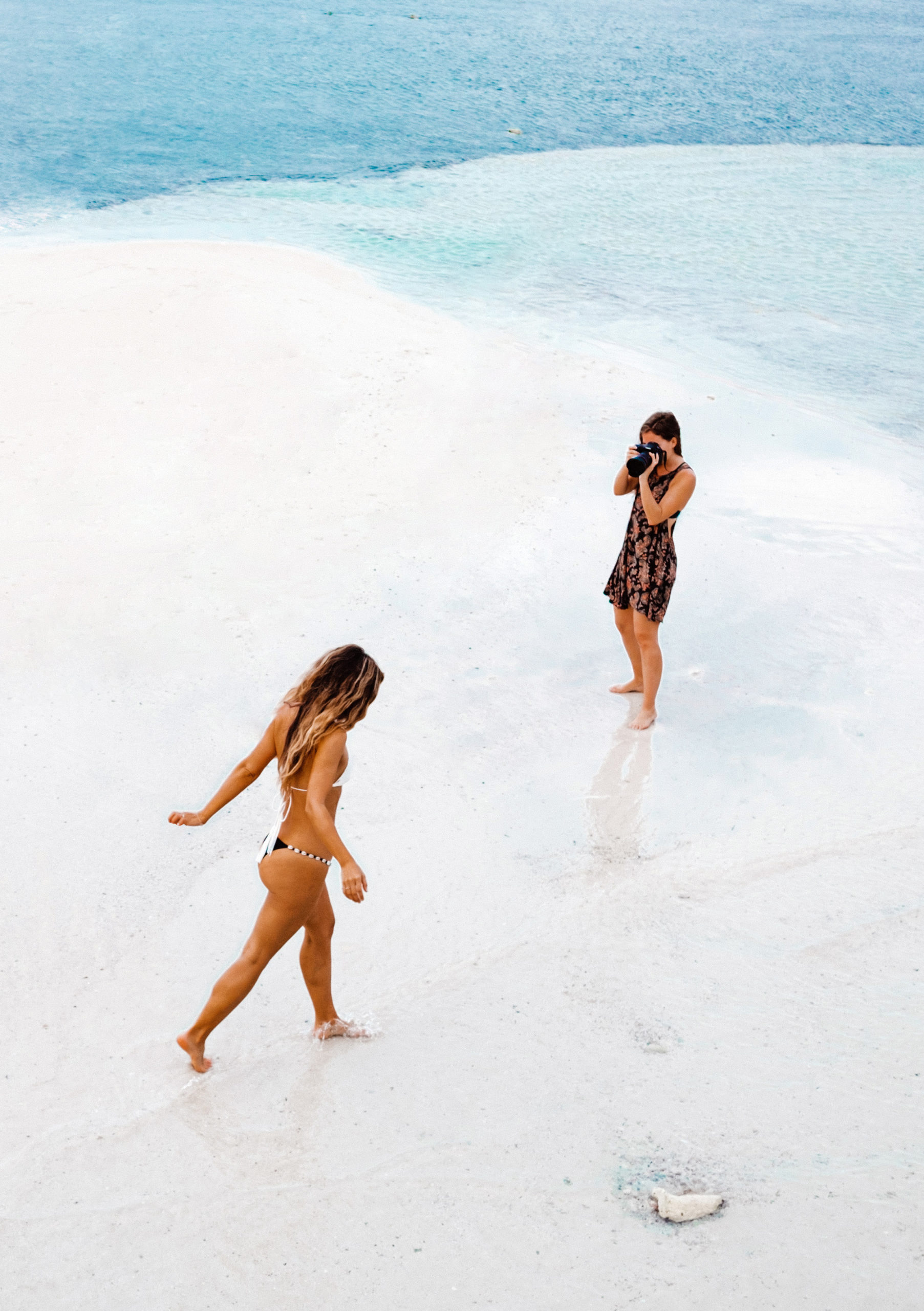
Morning light is soft and golden. Noon light is harsh. Evening light is warm and dramatic. Follow the sun and you’ll learn its rhythm.
Notice Reflections and Shadows
Puddles, glass, or even a metal spoon can bounce light. Shadows, on the other hand, give structure and drama. Both are storytellers.
Study How Light Affects Surfaces
Look at how light falls on skin, brick walls, fabric, or water. Each tells a different story.
Use Your Camera Without Shooting
Frame scenes in your viewfinder just to study light. Don’t even press the shutter—just observe.
Practical Exercises to Improve Light Awareness
The “One Light, One Subject” Exercise
Pick a single object (like a coffee mug) and photograph it under different lights—morning sun, lamplight, window light. Notice the transformations.
Shadow Chasing
Go outside and follow shadows. Where do they fall? How do they stretch as time passes? Shadows are nature’s clock.
Window Light Study
Set something near a window and see how the mood shifts depending on the time of day or weather.
Learning from the Masters
Famous Photographers Known for Light
Think of Ansel Adams and his landscapes, or Annie Leibovitz with her portrait lighting. Both mastered the dance of shadows and highlights.
Cinematic Inspirations
Watch movies with a photographer’s eye. Directors like Roger Deakins use light as a brushstroke. Steal those lessons.
Tools to Help Train Your Eye
Light Meters and Apps
You don’t need them, but they help. Apps like Lux Meter can give you a feel for intensity.
Using Your Smartphone as a Light Trainer
Even your phone’s camera helps you understand exposure and light direction. It’s like a mini light-lab in your pocket.
Common Mistakes Beginners Make with Light
Ignoring Harsh Midday Sun
Many beginners shoot at noon and wonder why their photos look flat. The sun at its peak is a tricky beast.
Overlooking Indoor Ambient Light
That cozy café light? It’s not just for ambiance—it’s a photography playground.
Advanced Tips for Light Spotting
Reading Weather for Photography
Cloudy day? Perfect natural diffuser. Stormy skies? Dramatic backdrops.
Anticipating Golden Hour and Blue Hour
Golden hour flatters portraits and landscapes alike, while blue hour creates a dreamy cinematic mood.
How Spotting Light Elevates Your Photography
Better Portraits
Understanding light means flattering your subject’s face—no harsh shadows, no blown-out highlights.
More Dramatic Landscapes
Landscapes transform when lit by golden hour, misty mornings, or stormy skies.
Stronger Street Photography
Spot a shaft of light between buildings? That’s your stage. People walking through become characters in your visual story.
Conclusion
Training your eye to spot light is like learning to see the world with fresh eyes. Once you develop this skill, you’ll never look at a room, a street, or even a cup of coffee the same way again. You’ll see possibilities everywhere—because light is always writing stories.
FAQs
Q1: What’s the best way to start training my eye for light?
Start simple—observe natural light at different times of the day without using your camera.
Q2: Can I learn light without expensive equipment?
Absolutely. Your eyes are the best tool. A smartphone camera is enough for practice.
Q3: How do professionals always get such good light?
They don’t always get it—they anticipate it, chase it, or create it.
Q4: What’s the biggest mistake when learning light?
Ignoring shadows. Shadows are just as important as highlights.
Q5: How long does it take to get better at spotting light?
With daily observation, you’ll start noticing improvements within weeks.
For more powerful photography tips, explore CameraTale.com — your creative hub for mastering photography.
CameraTale helps photographers sharpen their craft with real-world guidance and inspiring ideas.